Hidden layers of diversity in the Channel Island Fox
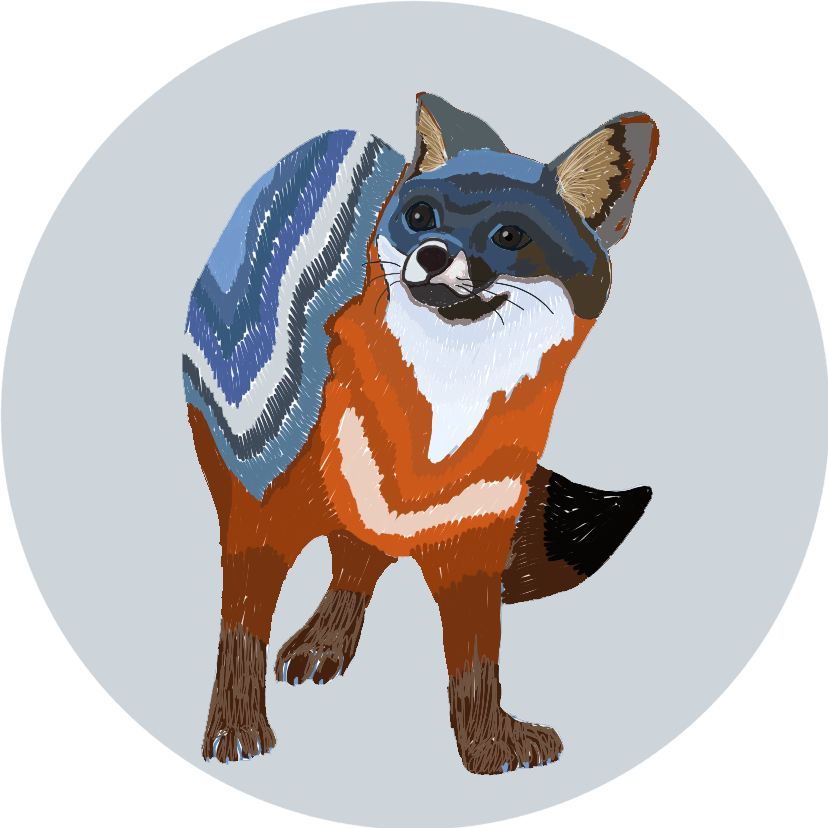
Island populations can experience bursts of diversity yet remain highly vulnerable due to small population sizes. The Channel Island fox (Urocyon littoralis) exemplifies this: each island population is considered a distinct subspecies, and the species nearly went extinct in recent years. This system provides an ideal opportunity to study how diversity is shaped in island populations, how diversification and vulnerability interact, and how management can influence these dynamics. Despite extremely low genetic diversity, the foxes show few signs of inbreeding depression, likely due to their long-term history of small population size. In collaboration with the National Park Service, I am investigating structural variants (SVs) in this species. SVs can affect phenotypes, such as disease susceptibility, and even speciation by suppressing recombination. They not only contribute to adaptation but also represent an often-overlooked layer of diversity. Because SVs are, on average, more deleterious than single nucleotide polymorphisms, characterizing them is critical for understanding potential genomic vulnerabilities. To examine this, I am leveraging long-read sequencing and pangenome graphs, including comparisons with Southern California gray foxes, to understand how SVs shape genomes in small, isolated versus more typical populations. This work not only informs conservation of the Channel Island fox but also provides a model for understanding diversity and vulnerability in small, isolated populations.